Loss doesn’t always mean the death of a loved one—it can also be the loss of a relationship, community, home, health, or even a version of your past life.
Different Forms of Loss
- Loss of a loved one: The deep pain of saying goodbye to someone who has passed.
- Loss of a relationship: Friendships, marriages, or bonds that dissolve, leaving a void.
- Loss of a pet: Our pets walk with us through seasons of life, and their passing can be just as heavy as losing a family member.
- Loss of community: Moving away or watching a familiar place change in ways you aren’t ready for.
- Loss of home: This could mean losing a family home, or tragedy striking through fire, storm, or other unexpected events.
- Loss of lifestyle: When life transitions—career shifts, health changes, or personal growth—you may grieve the “old you” and the connections that once felt secure.
Grieving is not wrong—but if we’re not careful, we can get stuck.
My Story of Grief
In 2010, I lost my baby. He lived less than 30 minutes after birth. For the next 10 years, I carried guilt and sadness that shaped my choices. I “partied” to hide my pain, but joy felt like something I didn’t deserve. Even when I smiled, my thoughts returned to what if and why not me.
Grief held me hostage until I learned that healing didn’t mean forgetting—it meant finding peace while honoring my love for him.
Witnessing Grief in Others
I know someone who has been grieving their health. At a young age, he became a dialysis patient. For years he resisted acceptance, living as though nothing had changed., which resulted in constant stays at the hospital. Later, grief transformed into quietness—perhaps acceptance, perhaps exhaustion. Watching him reminds me that grief is not always loud; sometimes it is silent.
Understanding Grief
Your grief will not look like mine, and mine will not look like yours. Grief is not packaged the same way for everyone.
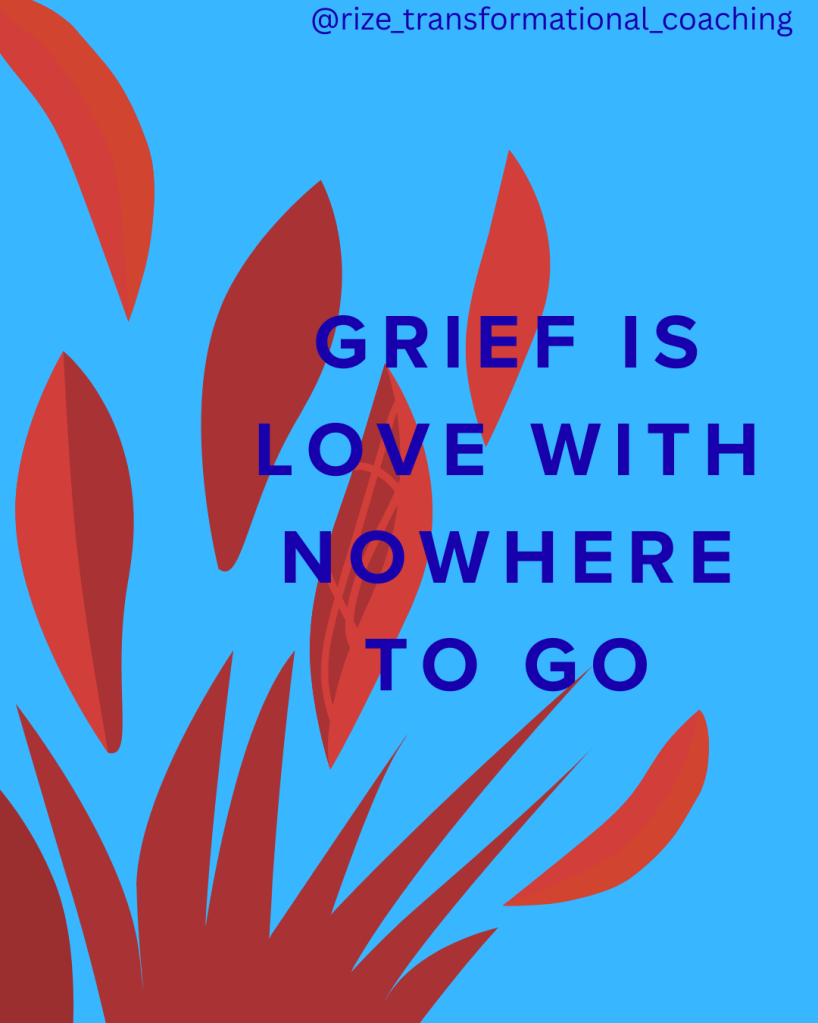
Many people suffer silently, unsure how to name what they feel or how to move forward. Some believe grief is just “something to get over.” But grief is more than pain—it is love and attachment to what once was.
A Gentle Reminder
- Be kind to yourself.
- Lean on your support system or seek therapy.
- Remember: you are not weak for grieving.
- Discover tools that help when it feels overwhelming—journaling, meditation, or energy practices.
- Honor your memories, but also give yourself permission to grow.
Grief is powerful. Left unchecked, it can lead to hopelessness, anger, or disconnection. But when we meet it with compassion, grief can also become a teacher—guiding us toward transformation.
✨ If you are grieving, please know: you are not alone.